
Introduction: Wake Up Refreshed, Not in Pain
If you’re among the millions of people who wake up with back or neck pain, your mattress might not be the only culprit. While investing in a high-quality mattress can certainly help, there’s a more affordable and often overlooked solution: the mattress topper.
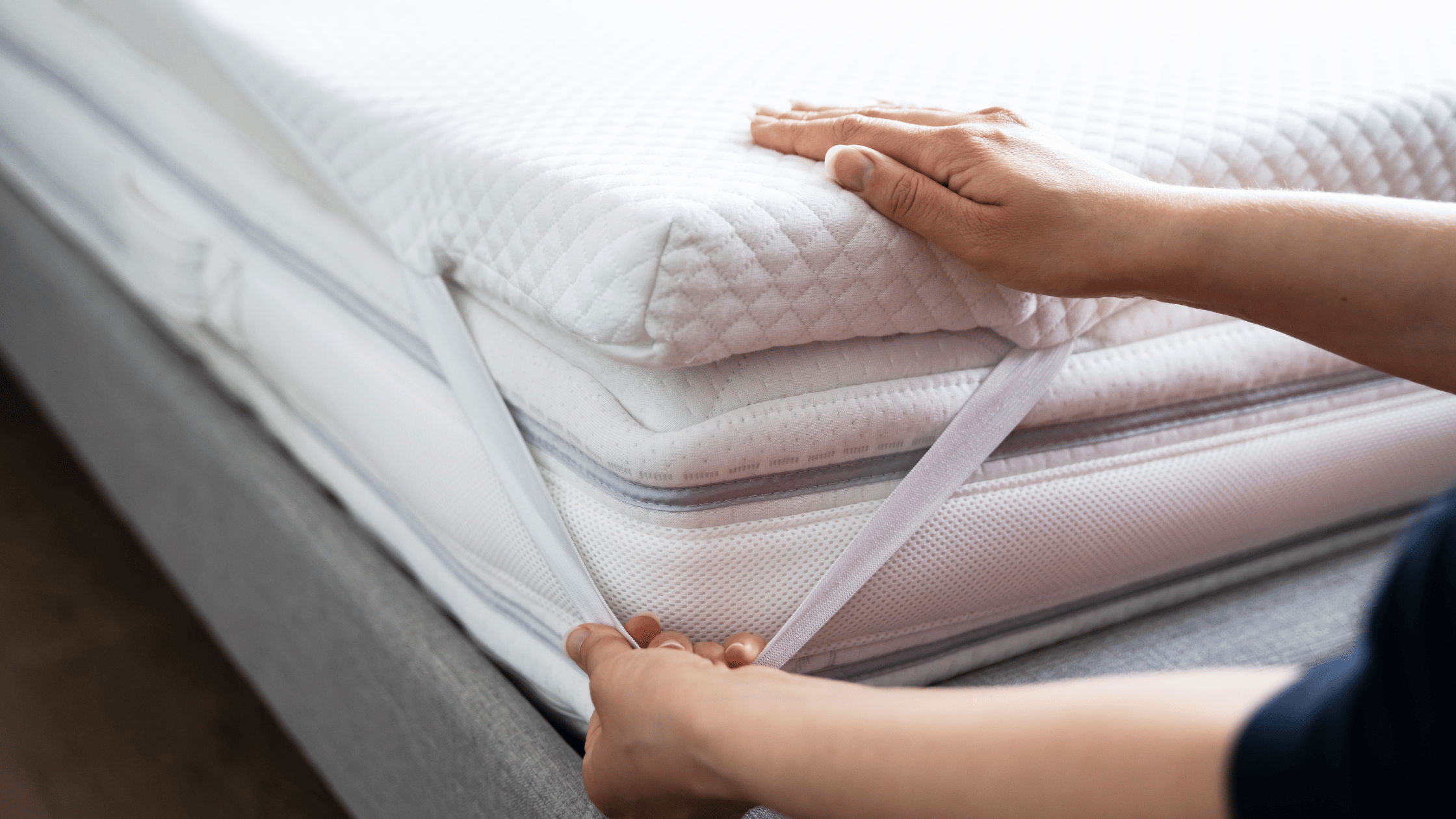
A mattress topper is a removable layer of cushioning that sits on top of your mattress. It can be made from memory foam, latex, gel-infused foam, feather, or fiber. More than just an accessory for comfort, the right topper plays a critical role in improving spinal alignment, reducing pressure points, and supporting proper sleep posture—especially for those dealing with chronic back or neck discomfort.
This guide explores how a topper can make a measurable difference in your sleep quality, pain relief, and overall spinal health.
Understanding the Connection Between Sleep and Pain
Sleep and pain are closely linked. Poor sleep posture and insufficient support during the night can strain the spine, aggravate existing conditions, or lead to new areas of tension and stiffness.
Common Causes of Nighttime Back and Neck Pain
- Sagging or overly firm mattresses that don’t adapt to your body shape
- Improper spinal alignment, especially in side or stomach sleepers
- Pressure buildup in shoulders, hips, or lower back
- Lack of neck support, especially from unsupportive surfaces or pillows
When your spine is not in a neutral position while sleeping, muscles, ligaments, and joints remain under tension for hours. This leads to inflammation, poor circulation, and nerve compression, all of which contribute to pain upon waking.
How a Mattress Topper Works for Pain Relief
A well-designed topper acts as a supportive buffer layer between your body and the mattress. It enhances comfort, corrects posture, and customizes your sleeping surface to your unique needs—all without requiring you to buy a new mattress.
1. Promotes Better Spinal Alignment
Spinal alignment is crucial during sleep. A topper can correct your body’s posture by:
- Filling the gaps between your body and the mattress
- Supporting the natural curve of your spine
- Preventing your hips or shoulders from sinking too deeply
For back sleepers, a medium-firm topper maintains the natural “S” curve of the spine. For side sleepers, a softer topper cushions the shoulders and hips, preventing misalignment in the lower back and neck.
2. Reduces Pressure Points
Toppers made from materials like memory foam or latex distribute body weight evenly and alleviate pressure on high-stress zones, especially in the lower back, shoulders, and neck. By relieving this pressure:
- Muscles stay relaxed through the night
- Circulation improves
- You reduce the risk of waking up stiff or sore
3. Absorbs Motion and Supports Deep Sleep
For those who share a bed, movement from a partner can disrupt sleep and even lead to sudden shifts in posture. A quality topper absorbs motion, minimizing disturbances and helping you maintain a healthy sleeping position throughout the night.
4. Adapts to Your Body Shape and Sleep Style
One of the greatest benefits of using a topper is its ability to personalize your sleep surface. If your mattress is too firm, a topper can soften it without compromising support. If it’s too soft and sagging, a firmer topper can reintroduce structure and reduce dips that cause pain.
Types of Toppers and Their Pain-Relief Benefits
Not all toppers are created equal. The material and firmness you choose will determine how effectively it supports your body.
1. Memory Foam Toppers
- Best for: Contouring to the body, relieving pressure, reducing motion transfer
- Pain relief benefit: Ideal for chronic pain sufferers; adapts to every curve for full-body support
- Consideration: Some models retain heat; choose gel-infused memory foam for better cooling
2. Latex Toppers
- Best for: Supportive and slightly bouncy feel, eco-conscious users
- Pain relief benefit: Natural latex provides both cushioning and firm support, helping maintain alignment
- Consideration: Typically firmer and more breathable than memory foam
3. Gel-Infused Foam Toppers
- Best for: Hot sleepers who need pressure relief
- Pain relief benefit: Combines memory foam comfort with temperature regulation, aiding muscle relaxation
- Consideration: Great for warm climates or heat-sensitive individuals
4. Feather or Fiber-Filled Toppers
- Best for: Soft comfort and minimal support
- Pain relief benefit: Adds plushness but may not provide enough support for severe back or neck issues
- Consideration: Better as a comfort layer than a therapeutic one
Choosing the Right Topper for Back and Neck Pain
When selecting a topper specifically for back and neck relief, consider the following factors:
Firmness Level
- Soft toppers are better for side sleepers who need shoulder and hip relief
- Medium-firm toppers are ideal for back sleepers
- Firm toppers are recommended for stomach sleepers or those with heavy body weight who need extra lift
Thickness
- Toppers range from 2 to 4 inches thick
- Thicker toppers (3–4 inches) provide better contouring and are more suitable for deep pressure relief
- Thinner toppers (2 inches) are better for mild adjustments or softening a firm mattress
Cooling Properties
If you sleep hot, look for toppers with:
- Gel infusions
- Open-cell foam structure
- Breathable covers like bamboo or organic cotton
Certifications and Safety
Choose toppers with certifications like:
- CertiPUR-US (safe foam materials)
- OEKO-TEX (no harmful chemicals)
These ensure both health safety and long-term durability.
Additional Tips for Better Sleep Posture and Pain Relief
Adding a topper is a big step forward, but don’t forget the basics of healthy sleep habits:
1. Choose the Right Pillow
The wrong pillow can neutralize the benefits of a good topper. Your pillow should support the neck in alignment with the spine:
- Side sleepers: Firm pillow with higher loft
- Back sleepers: Medium-loft pillow
- Stomach sleepers: Thin, soft pillow (or none at all)
2. Practice Good Sleep Posture
- Keep your spine neutral, hips level, and avoid twisting
- Place a pillow between your knees if sleeping on your side
- Use a small lumbar pillow for added support when sleeping on your back
3. Regularly Rotate or Replace Your Topper
Just like a mattress, toppers wear over time. Rotate every few months, and replace every 2–3 years for optimal performance.
Conclusion: A Small Investment for Big Relief
Neck and back pain can seriously affect your quality of life—but you don’t always need to replace your entire mattress to see a difference. A high-quality, well-chosen mattress topper can be a game-changing upgrade, giving your body the support and alignment it needs to heal, rest, and reset each night.
From memory foam to latex, soft to firm, there’s a topper that fits your sleeping style and relieves the specific pressure points causing discomfort. Combined with good posture and supportive pillows, this simple addition can help you wake up refreshed, pain-free, and ready to take on the day.